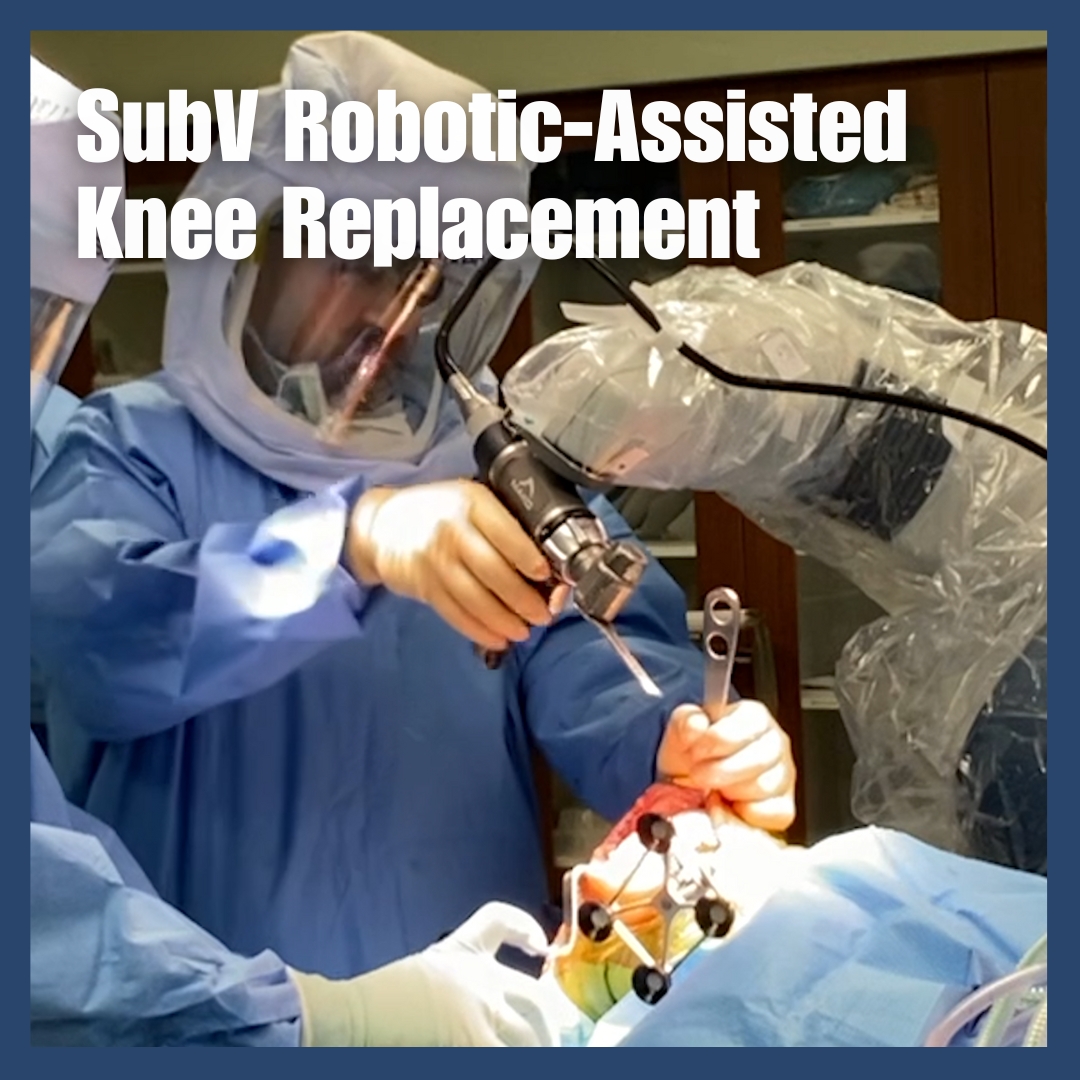
Knee Replacement: When Is It Time?
Knee replacement, or 'knee arthroplasty', is an advanced orthopedic surgery that has helped thousands of people regain their movements and experience dramatic pain relief. Arthritis is common. Most people manage to deal with it as they get older. So when is the knee arthroplasty necessary? The problem is neither life-threatening nor limb-threatening, so it is considered an "elective" surgery, but it is very effective at offering patients joint pain relief and return to an active lifestyle.
How do I know if knee replacement is the best treatment option?
There is no single answer suitable for every patient. Knee replacement is a very personal decision, in which case the benefits and risks need to be considered. Before deciding on a knee replacement, there are some questions to ask yourself.
Are you physically eligible for the procedure? Do you have knee pain due to arthritis? Most people undergoing knee arthroplasty suffer from osteoarthritis due to years of wear of the cartilage (which softens the tips of the bones and provides lubrication against friction). When cartilage is damaged, the bones rub against each other painfully, creating osteophytes that can further impede smooth joint movement. Total knee arthroplasty removes damaged bone and cartilage and replaces the joint with a prosthesis that behaves like a natural knee.
Have you tried conservative treatment? There are many treatments for arthritis available. It ranges from very conservative applications such as heat and cold applications to medications and injections of corticosteroids. Many people find relief with these treatments. Before considering surgery, it makes sense to see if one of these less-invasive treatments is effective for joint symptom relief.
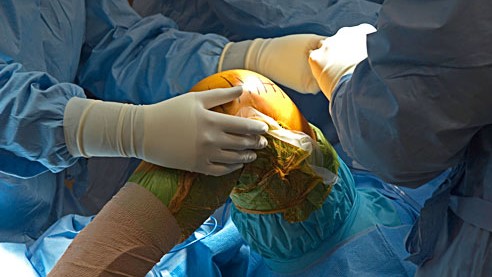
Will your life improve after knee replacement? Age is not an important factor in the success of knee replacement, but there are some cases in which the patient is in experiencing pain that interferes with mobility and daily activity. If knee replacement does not offer major improvement in your quality of life, it may not be worth the risk and cost. If joint pain is severe, mobility is restricted, constant, and arthritis is the only cause, it may be time for a knee replacement.
Can you afford to have a knee replacement? The cost to you as a patient is not only the cost of the procedure, but also the time spent during recovery. Depending on your type of work, you may go be out for 6 to 12 weeks before returning to work with your new knee. In addition to financial concerns, there are risks associated with any surgery. It is important to carefully discuss possible short-term pain and other risks (such as infections and blood clots) with your surgeon.

Is your overall health good? The risk of complications and the unlikely possibility that a patient is not satisfied with the outcome of the surgery is closely linked to other pre-existing health conditions. Some of these that can increase complications include obesity, diabetes, chronic pain from other conditions, and depression. Your surgeon will tell you about these seemingly irrelevant conditions that can reduce the success rate of knee replacements and complicate a relatively safe knee replacement procedure.
RELATED ARTICLES:
Do you have support? It's scary to give up control over the time it takes to recover from major surgery. Is there a support system at home or in your community? It is important prior to any joint replacement surgery to have a postoperative plan in place that includes a plan for assistance with driving and getting-around immediately following your procedure. Knee replacement surgeries are increasingly being done as outpatient or same-day surgeries, allowing patient to return home to the comfort of their own bed much sooner. Shortened hospital stays have made it even more important to have a structured support system when returning home.
Consult Cory Calendine, MD, Orthopedic Surgeon
Knee replacement is one of the safest and most effective treatments for severe arthritis today. Every year, more and more people are undergoing this surgery. If you're ready to consider a knee replacement, Dr. Cory Calendine, Hip and Knee Specialist, can help. Dr. Calendine and the experienced medical team at the Bone and Joint Institute will take the time to listen to your unique situation and help you determine the best treatment for you. Dr. Calendine specializes in robotic-assisted partial and total knee reconstruction therapy. CONTACT our office today.
What Is Arthritis? [Cory Calendine, MD, Orthopedic Surgeon]
.jpg)